

Understanding the Essential Role of Structural Shoring in Complex Construction Projects

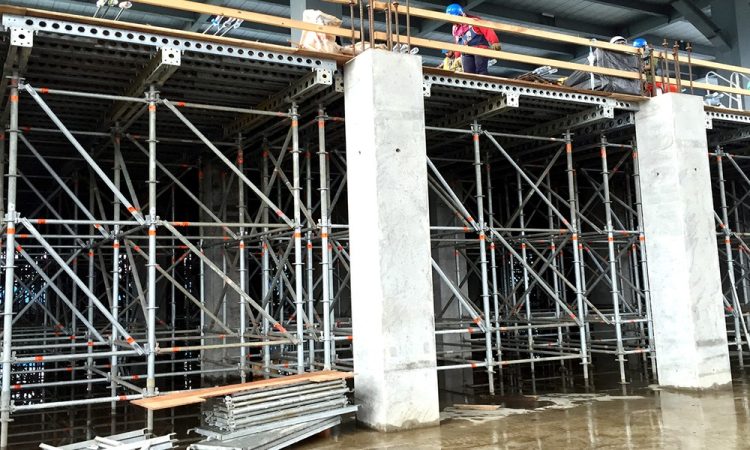

When a construction project pushes the boundaries of scale or design, the silent heroes holding it all together aren’t always the cranes or concrete mixers. Structural shoring is what truly keeps worksites safe and progress on track, especially when gravity, time constraints, and architectural ambition all converge.
Defining Structural Shoring in Construction
What is Structural Shoring?
At its core, structural shoring is the temporary support system that stabilizes buildings or infrastructure during construction, repair, or alteration. Whether it’s propping up a collapsing wall or allowing a new multi-story floor to be poured, shoring is about protecting workers, structures, and investments from structural failure.
Key Objectives and Benefits of Shoring
Shoring ensures worker safety, preserves the integrity of partially completed structures, and allows for creative architectural solutions. Its benefits include:
– Preventing collapses during critical phases.
– Supporting loads that exceed a structure’s temporary or transitional capacity.
– Enabling renovations or demolitions without risking adjacent structures.
Common Misconceptions About Shoring
Some project managers see shoring as an unnecessary expense if a building “looks stable.” In reality, invisible stresses and load transfers can occur as soon as construction sequencing deviates from the ordinary. Another misconception is that shoring is one-size-fits-all. In truth, each site demands a distinct engineering approach, especially for complex or non-conventional designs.
Types of Structural Shoring Techniques
Traditional Timber Shoring vs. Modern Steel Shoring
Timber was once the material of choice, readily available and easily cut to length. However, modern steel shoring systems offer vastly superior strength, modularity, and reusability. Today’s projects often rely on steel posts, frames, and beams that can be rapidly assembled, adjusted, and reused across projects.
Hydraulic Shoring Systems: Advantages and Limitations
Hydraulic shoring uses telescoping steel tubes with hydraulic pistons, allowing for faster installation and easy adjustment under load. These systems are compact, ideal for tight excavation sites, and promote worker safety by minimizing manual handling. However, they can be costly and may not suit projects with highly irregular geometries.
Specialized Shoring for Complex Architectural Forms
Innovative projects call for shoring tailored to unique shapes or repetitive modular demands. Custom-fabricated steel supports, adjustable slabs, and engineered scaffolding systems now enable the construction of spiraled tunnels, cantilevered walkways, and intricate bridge forms. Collaboration with experts, such as ingénieur étaiement NadeauSDM, can help navigate these advanced requirements.
Comparative Analysis of Shoring Methods in Complex Projects
Load-Bearing Capacity and Safety Considerations
Steel shoring far surpasses timber in load-bearing capacity and reliability. Hydraulic systems add another layer of safety through adjustability and pressure monitoring. However, specialized shoring must be engineered for each unique scenario to prevent catastrophic failures.
Installation Speed and Adaptability on Site
Prefabricated steel and hydraulic systems can cut setup times dramatically. Traditional methods, while less expensive, tend to be slower and less adaptable. On complex sites, adaptability is often more valuable than initial material savings.
Cost Implications and Resource Efficiency
While modern systems involve a higher up-front investment, their longevity and reusability often make them more cost-efficient in multi-stage projects. Timber may still suit short, low-budget jobs, but increasing safety regulations drive a preference for engineered solutions.
Case Studies: Shoring Approaches in Multi-Story and Infrastructure Projects
Multi-Story Commercial Buildings: Challenges and Solutions
Tall or multi-story buildings require shoring that can support not just vertical loads, but also lateral forces from wind or construction activities. Modular steel frames allow for safe floor-by-floor progress as upper stories are added.
Bridge and Tunnel Construction: Unique Shoring Requirements
Bridges and tunnels introduce complex load paths and sequencing challenges. Shoring must often support both the structure and the heavy equipment used for installation, frequently requiring custom-fabricated elements and continuous monitoring.
Handling Non-Conventional and Repetitive Architectural Shapes
Curved, angled, or modular forms demand precise shoring layouts and engineered solutions. Here, digital modeling and prefabrication play a critical role, ensuring accuracy and safety in ambitious designs.
The Role of Engineering Analysis in Shoring Design
Structural engineers conduct detailed load simulations and capacity checks before introducing any shoring. They analyze slab capacities (for crane installation, for example), consider seismic risks, and use advanced software to optimize design and sequencing. This ensures that temporary supports are as robust and reliable as the permanent structure itself.
Innovations and Trends in Structural Shoring
Material advances, such as lighter, stronger alloys and modular prefabrication, are transforming the shoring landscape. Digital monitoring and IoT sensors now allow real-time load tracking, ensuring early detection of potential problems. Sustainable practices are emerging too, with reusable systems and recycled materials becoming industry standards.
Risks and Troubleshooting in Structural Shoring
Common failures stem from improper design, overloading, or poor installation. Proactive site assessments, adaptive on-site strategies, and strict adherence to regulatory standards are vital. Ongoing training and detailed checklists help prevent costly and dangerous mistakes.
Choosing the Right Shoring Approach: Decision Framework
Selecting a shoring method starts with assessing structural complexity and project scope. Budget constraints must be balanced against the critical need for safety and long-term reliability. Collaboration between engineering and construction teams, along with input from specialists in shoring design, ensures each project gets the tailored support it demands.
When the challenge grows, so does the need for precision, expertise, and smart solutions. Structural shoring may not always be in the spotlight, but it is fundamental to building the future safely and successfully.