



Key Highlights
- Establish a clear testing protocol before you begin comparing audio gear.
- Focus on evaluating sound profile, long-term comfort, and overall build quality systematically.
- Utilise your own familiar reference tracks to judge sonic differences accurately and consistently.
- Filter out confusing variables by narrowing your choices based on your primary use criteria.
Introduction
Stepping into the world of high-fidelity personal audio often leads to a single, baffling experience: paralysis by choice. With countless models available, each promising superior sound, the act of comparing multiple headphones can quickly devolve into a confusing sonic blur. It is not about listening to every pair; it is about listening intelligently. We must move past the scattergun approach and embrace a structured methodology that yields clarity rather than confusion. You require a system, a deliberate filter to distill choice down to conviction.
Define Your Sonic Benchmark
The greatest pitfall in any comparison session involves inconsistent testing material. When you audition a new piece of audio equipment, your brain needs a stable reference point. You cannot reliably judge the difference between three distinct sound signatures if you cycle through twenty different songs. Select three to five tracks-no more-that you know intimately. These tracks should represent your primary listening habits and expose specific characteristics: one for bass and dynamics, one for vocal clarity and mid-range texture, and perhaps one complex classical or jazz piece to test separation and soundstage.
This discipline ensures that every headphone is judged against the exact same sonic canvas, allowing you to focus purely on how the equipment translates the music, not on the music itself. Consistency in this area illuminates true differences that fleeting, random listening will simply obscure.
The Triad of Evaluation: Sound, Comfort, and Build
To avoid subjective drift, break down your evaluation into three non-negotiable pillars. When you are considering an investment in a high-quality pair of cans, particularly when browsing in a headphone store in Singapore, focusing solely on sound quality neglects crucial longevity factors. Start with the sound, using your established reference tracks, and assign a preliminary score to its signature (neutral, warm, bright). Pay particular attention to the upper treble and the sub-bass extension, as these areas often reveal the most significant character differences between models.
Next, evaluate comfort. This is highly subjective, but critically important for long listening sessions. Do the earpads distribute pressure evenly, creating a good seal without excessive heat? Is the clamping force manageable over two or three hours? Finally, inspect the build quality. This is where a critical eye pays dividends. Look for solid materials, the quality of articulation points, the finish of the chassis, and whether the cables are detachable and easily replaceable. A flimsy hinge or poor-quality connector means reduced lifespan, regardless of how good the treble extension might sound initially.
Systematise the Audition Process
A comparison only works if the variables are controlled. When you have a shortlist of three or four contenders, implement a rotation system that enforces strict, short intervals. Listen to the first headphone for a full song, immediately switch to the second for the exact same song, and then move to the third. This immediate A/B/C comparison allows for the most accurate observation of subtle differences before auditory memory fades. You are listening for contrast-the way one handles an acoustic guitar compared to another, or how deep the sub-bass registers.
Crucially, resist the urge to switch songs or wander to a new listening station. Maintain the same source equipment (if possible) and the same volume level across all models. If the process begins to feel fatiguing, take a deliberate five-minute break. This resets your ears and prevents the dreaded ‘comparison fatigue’ that makes every subsequent headphone sound equally unexciting. By making the comparison systematic, you strip away the confusing noise of inconsistency, leaving you with clear, comparative data points. Finding the ideal pair becomes a process of measured elimination rather than a hope for instant sonic revelation.
Beyond the Specs Sheet: Real-World Feel
The technical specifications are necessary groundwork, but they only tell half the story. The best purchase decisions are supported by practical considerations that go unmentioned on the box. For example, if you plan on using your over-ear headphones primarily for daily commuting or travel, how efficiently do they fold down, and how secure is the included carrying case? Assess the cable quality-is it prone to tangling or does it create annoying noise when it brushes against clothing, known as microphonics? If you are looking at open-back models for critical listening at home, consider the sound leakage; will the audio disturb others in your vicinity?
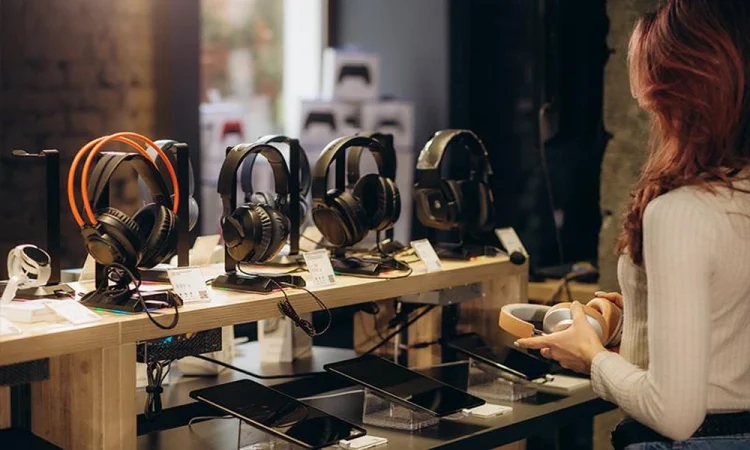
Auditioning gear in a headphone store in Singapore gives you a rare opportunity to physically handle and interact with the product under real-world conditions, allowing you to assess these practicalities. These subtle yet significant elements of weight distribution, accessibility of controls, and overall robustness ultimately determine your long-term satisfaction and integration of the gear into your daily life far more than a single frequency response graph ever could.
Conclusion
Clarity in headphone comparison comes from structure, not chance. By defining your reference material and systematically assessing the core factors of sound, comfort, and build, you transform an overwhelming shopping trip into an insightful, goal-driven purchasing decision. This method ensures you make a choice based on rigorous comparison rather than momentary impulse. The result is an audio investment you will truly cherish.
Ready to apply this structured approach to finding your next pair of high-quality headphones? Contact One Futureworld today to start your tailored audition process.