



Key Takeaways
- Self-storage units are suitable for smaller storage needs and short-term flexibility.
- A storage warehouse setup is designed for larger commercial inventory and logistics operations.
- Businesses should assess inventory size, access frequency, and operational requirements before choosing a facility.
- Security systems and loading capabilities differ between standard self-storage and a larger secure storage space environment.
- Cost structures vary depending on storage scale, equipment requirements, and lease duration.
Introduction
Businesses and individuals often require additional storage for inventory, equipment, documents, or furniture. Two common solutions are self-storage units and full warehouse facilities. While both provide a secure storage space, they are built for different operational needs. Self-storage units are generally designed for convenience and smaller storage volumes, while warehouse facilities support larger-scale inventory handling and logistics activities. Knowing the differences between the two options helps businesses avoid paying for unnecessary space or selecting a setup that cannot support future operational demands.
Storage Capacity and Usage
The main difference between self-storage units and a full storage warehouse setup is storage scale. Self-storage facilities usually offer compact units intended for personal belongings, archived files, excess office furniture, or limited business inventory. Small businesses and startups often use these spaces when they need temporary storage without committing to a large commercial facility.
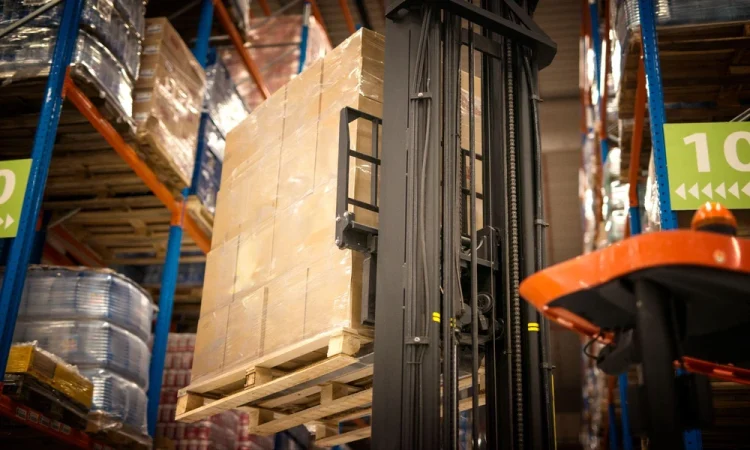
Warehouse facilities are designed for bulk storage and operational movement. Businesses involved in retail, manufacturing, e-commerce, or distribution often require warehouse environments because they manage larger inventory quantities. Warehouses can accommodate palletised goods, heavy equipment, and high-volume stock movement. Warehouse layouts, in many cases, are structured with racking systems and designated loading zones to improve efficiency and inventory organisation.
Accessibility and Operational Support
Self-storage facilities focus heavily on convenience. Users can normally access their units independently during operating hours and retrieve items whenever needed. This arrangement is practical for people or businesses that only require occasional access to stored goods. The process is usually straightforward because tenants manage their own storage activities without external handling support.
A full storage warehouse setup operates differently because it is often connected to broader logistics operations. Warehouses may include loading bays, forklifts, cargo lifts, and vehicle access areas for shipment handling. Some facilities also provide manpower support, inventory tracking, and fulfilment services. Businesses with regular incoming and outgoing deliveries typically benefit from these operational features because they reduce handling delays and improve workflow efficiency.
Security and Facility Infrastructure
Both solutions provide a secure storage space, but the level of security infrastructure usually differs. Self-storage facilities commonly use CCTV systems, digital access controls, unit locks, and alarm monitoring. These measures are generally sufficient for personal items and smaller business inventory.
Warehouse facilities often require more advanced security because they store larger quantities of commercial goods. Security systems may include perimeter surveillance, dock monitoring, security personnel, and digital inventory management systems. Some warehouse operators also provide climate-controlled environments for products affected by humidity or temperature changes, such as electronics or specialised materials. Businesses storing high-value inventory often prioritise these additional protections when selecting a storage provider.
Cost and Lease Structure
Cost is another major difference between the two storage options. Self-storage units usually have lower rental costs and shorter lease commitments. Tenants pay based on unit size, making this option suitable for businesses with limited budgets or temporary storage needs. The flexibility of short-term contracts also appeals to companies experiencing seasonal inventory fluctuations.
Warehouse facilities generally involve higher operating costs because they include larger spaces and additional infrastructure. Lease agreements may also include equipment usage, loading access, or operational services. Although warehouse rentals are more expensive, they can become more efficient for businesses managing high inventory volumes or large-scale distribution activities.
Conclusion
Self-storage units and warehouse facilities both function as secure storage spaces, but they serve different operational purposes. Self-storage works best for individuals and smaller businesses requiring flexible and compact storage. A full storage warehouse setup is more suitable for companies managing bulk inventory, logistics coordination, and frequent stock movement. Businesses should evaluate their operational scale, inventory requirements, and long-term growth plans before selecting the most appropriate storage solution.
Running out of room for inventory, equipment, or archived documents? Visit SpaceHub today to ensure your business stays organised, scalable, and operationally efficient.