


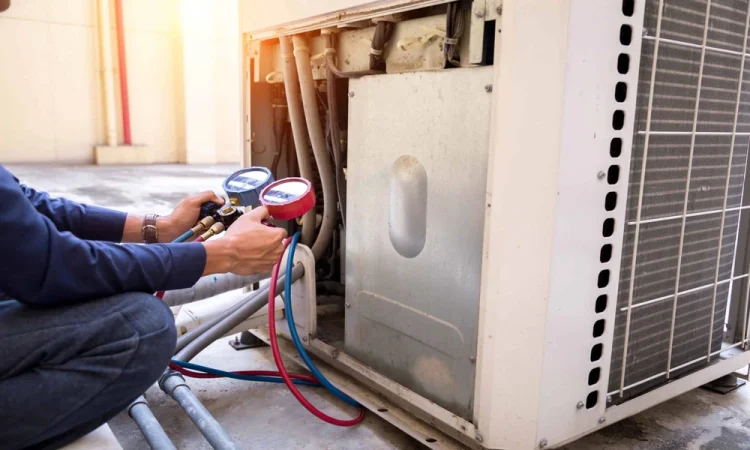

A heat pump is designed to provide both heating and cooling, so a noticeable change in performance can affect comfort throughout the year. You may find that your home isn’t warming up properly in winter, rooms stay too warm during summer, or the system runs much longer than it used to. These changes can happen for several reasons, and the problem isn’t always obvious from the thermostat.
Some issues are relatively simple, while others require a closer inspection of the equipment. Knowing the common causes can help homeowners recognise when something isn’t working as it should and when it’s time to arrange professional heat pump repair and installation.
Start With the Thermostat
Before looking at the heat pump itself, check the thermostat settings. Make sure the system is set to the correct mode and that the temperature setting is appropriate for the season.
A thermostat problem can sometimes make a properly functioning heat pump appear to be malfunctioning. Dead batteries, incorrect settings, or a thermostat that isn’t communicating properly with the system can affect when the equipment turns on and off.
If adjusting the settings doesn’t improve performance, the issue may be somewhere else in the system.
Common Reasons a Heat Pump Isn’t Heating or Cooling Properly
Heat pumps rely on several components working together. When one part develops a problem, the system may struggle to maintain the desired indoor temperature.
- Dirty air filters: A clogged filter restricts airflow through the system. Reduced airflow can make it harder for the heat pump to move conditioned air throughout the home and may cause the equipment to run longer than expected.
- Refrigerant problems: Heat pumps use refrigerant to transfer heat between the indoor and outdoor portions of the system. A leak or incorrect refrigerant level can affect the system’s ability to heat or cool effectively.
- Outdoor unit problems: Leaves, grass, dirt, and other debris can collect around the outdoor unit and restrict airflow. Mechanical or electrical problems within the outdoor unit can also affect overall performance.
- Faulty components: Heat pumps contain electrical and mechanical components that can wear out over time. A failing motor, capacitor, sensor, or other component may cause unusual operation or reduced heating and cooling performance.
- Poor airflow: Problems with ductwork, vents, or other parts of the air distribution system can prevent conditioned air from reaching rooms effectively. The heat pump may be working, but the home may still feel uncomfortable.
Why Airflow Matters
Good airflow is essential for a heat pump to operate properly. If air can’t move freely through the system, the equipment has to work harder to maintain the desired temperature.
Start by checking the air filter and making sure supply and return vents aren’t blocked by furniture, rugs, curtains, or other objects. If some rooms remain comfortable while others consistently feel too hot or cold, there could be an airflow or ductwork issue that requires further investigation.
Uneven temperatures can also have other causes, so it’s best not to assume that replacing the filter will solve every problem.
When the Outdoor Unit Needs Attention
Because the outdoor unit is exposed to the weather, it can collect dirt and debris over time. Grass clippings, leaves, and other material can restrict airflow around the unit.
During colder weather, ice can also form on the outdoor coil. Heat pumps are designed to enter a defrost cycle when needed, but excessive or persistent ice buildup may indicate that the system isn’t operating correctly.
Homeowners should avoid trying to remove heavy ice with sharp objects or aggressive methods that could damage the equipment. If the outdoor unit remains heavily iced or isn’t operating normally, professional service may be needed.
Signs Your Heat Pump May Need Professional Service
Changes in how your system sounds, cycles, or heats and cools can provide useful clues. Some warning signs are more noticeable than others.
- The system runs constantly: Longer operating times can happen during particularly hot or cold weather, but a heat pump that runs continuously without maintaining the desired temperature may have an underlying problem.
- Indoor temperatures are uneven: If some rooms are comfortable while others remain too warm or too cold, the issue may involve airflow, ductwork, system capacity, or another component.
- The system makes unusual sounds: Grinding, rattling, buzzing, or other unfamiliar sounds shouldn’t be ignored, especially when they are new or becoming louder.
- The heat pump frequently cycles on and off: Repeated short cycles can indicate a problem with the thermostat, airflow, system sizing, or another part of the equipment.
Seasonal Changes Can Affect Performance
Heat pumps operate differently from traditional heating-only systems because they provide both heating and cooling. Their performance can also be affected by outdoor temperatures and the amount of work required to maintain indoor comfort.
During periods of extreme weather, a heat pump may need to run for longer periods. This doesn’t automatically mean there is a problem. However, if the system struggles under normal conditions or performs noticeably worse than it did previously, an inspection can help determine why.
It’s also worth paying attention to gradual changes. A heat pump doesn’t always fail suddenly. Reduced performance may develop slowly as components become worn or airflow becomes restricted.
Maintenance Can Help Catch Problems Earlier
Regular maintenance gives homeowners an opportunity to identify issues before they become larger problems. Filters should be checked regularly, outdoor units should be kept reasonably clear of debris, and unusual changes in system performance should be addressed promptly.
Professional maintenance can also provide a closer look at components that homeowners can’t easily inspect themselves. Depending on the system, this may include checking electrical connections, airflow, refrigerant-related components, and overall operation.
Good maintenance won’t prevent every possible failure, but it can help keep the system operating reliably and make developing problems easier to spot.
When Repair May Not Be the Best Option
Not every heat pump problem means the equipment needs to be replaced. A worn component, airflow restriction, or other specific issue may be repairable.
However, if an older system requires repeated repairs or no longer meets the home’s heating and cooling needs, replacement may eventually make more sense. The decision should consider the condition of the equipment, repair requirements, operating performance, and the home’s long-term needs.
A professional assessment can help determine whether repairing the existing system or considering a new one is the more practical choice.
Conclusion
A heat pump that no longer heats or cools properly can have many possible causes, from a dirty filter and restricted airflow to refrigerant issues, outdoor unit problems, or worn components. Checking simple factors such as thermostat settings and airflow can be a useful first step, but persistent problems may require professional attention.
Paying attention to changes in temperature, operating cycles, sounds, and overall performance can help homeowners recognise problems earlier. With appropriate maintenance and timely repairs, a heat pump can continue providing reliable heating and cooling throughout the year.